Why Are My Gums Bleeding? Understanding the Causes and Solutions
4
min read


In this article:
Key takeaways:
Plaque toxins: gums bleed because the plaque biofilm releases toxins that trigger an immune response, causing capillaries to dilate and rupture easily upon contact.
Mechanical vs. biological: while firm toothbrush bristles can cause trauma, persistent bleeding usually indicates gingivitis, a reversible stage of gum disease driven by bacterial buildup.
Systemic links: chronic gum inflammation can release bacteria and pro-inflammatory mediators into the bloodstream, which is a known risk factor for cardiovascular disease.
Pregnancy sensitivity: hormonal surges during pregnancy increase vascular permeability, making oral tissues hyper-reactive to even microscopic amounts of bacteria.
The most frequent cause of blood during toothbrushing is gingivitis, the early and reversible stage of gum disease.
When the plaque biofilm accumulates along the gumline, it releases metabolic toxins that trigger an immune response. This leads to gingival erythema (redness) and swelling, as the capillaries become dilated and fragile, causing them to rupture upon the slightest contact.
To ensure healthy gums, you should visit your dentist a minimum of twice annually and maintain a disciplined daily oral hygiene regimen (detailed later in this article).
During your daily oral hygiene routine, switching to a soft-bristled brush and using gentle, circular motions is important. Using a firm-bristled brush or applying too much pressure can cause mechanical trauma to the tissue. If you don't have gingivitis, this often resolves the irritation within a week. If bleeding does not stop, this is a sign of gingivitis and you should visit your dentist.
Bleeding during flossing usually occurs because of inconsistent habits or a sudden change in your dental routine.
If you haven't flossed in a while, the tissue between your teeth may become inflamed due to trapped plaque. If too much plaque and tartar (hardened plaque) have accumulated, you may have developed gingivitis, or a more advanced form of gum disease called periodontitis.
Flossing can disturb the inflamed tissue, causing discomfort and bleeding. However, don’t stop flossing; with daily, gentle cleaning, the inflammation should subside and the bleeding should stop within a few days as the gum pockets become cleaner and healthier.
If you are taking a new medication (e.g. blood thinning medication) and noticing consistent bleeding when flossing, you may want to talk to your physician.
A sudden onset of bleeding can be triggered by new medications, pregnancy, or even nutrient deficiencies:
There is a proven clinical link between chronic oral inflammation and cardiovascular health. While bleeding doesn't cause heart disease directly, it is a sign of inflammation that should not be ignored.
To manage the risk associated with bleeding gums and heart disease, it is important to understand the systemic connection:
Periodontopathic bacteria and pro-inflammatory mediators can enter the systemic circulation. Clinical research suggests this contributes to the inflammation of the vascular endothelium, a known risk factor for cardiovascular disease.
Research cited by the American Academy of Periodontology (APP) and European Federation of Periodontology (EFP), two globally recognized authorities, on gum health, suggests that managing periodontal disease is a fundamental way to support your overall heart health.
Hormonal surges increase blood flow to the oral tissues, making the gums much more sensitive to even small amounts of plaque. This can lead to "pregnancy gingivitis". Because your body’s inflammatory response is heightened, the gum may swell and bleed even if you maintain good hygiene.
To stop the bleeding, you must remove the bacterial "trigger" through a combination of professional care and home habits:
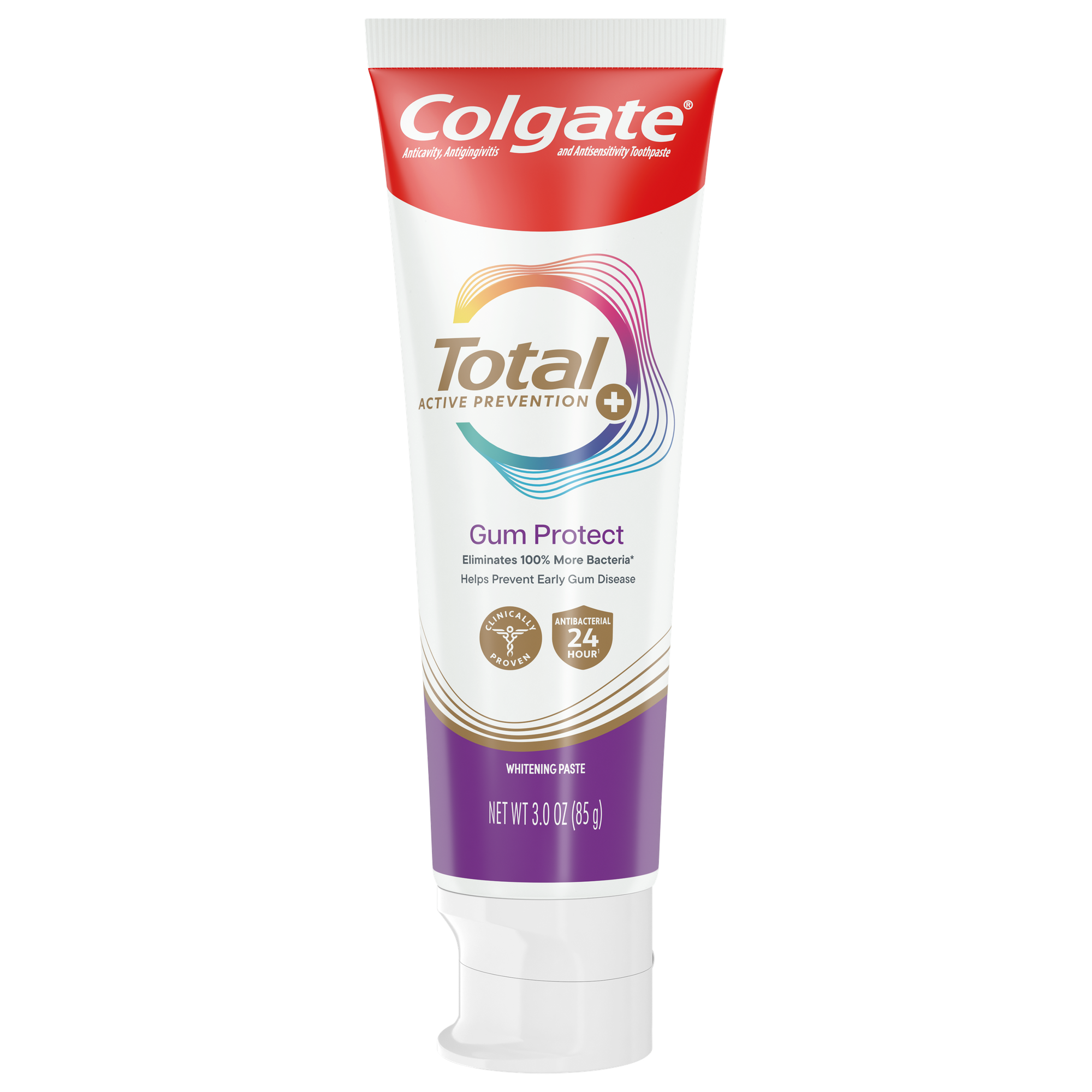
Use the best toothpaste for gingivitis.
Brush at least twice daily for two minutes with a soft toothbrush.
Visit your dentist every six months for a professional cleaning.
Rinse with an alcohol-free antimicrobial mouthwash to soothe the tissue.

This article is intended to promote understanding of and knowledge about general oral health topics. It is not intended to be a substitute for professional advice, diagnosis or treatment. Always seek the advice of your dentist or other qualified healthcare provider with any questions you may have regarding a medical condition or treatment.
ORAL HEALTH QUIZ
Take our Oral Health assessment to get the most from your oral care routine
ORAL HEALTH QUIZ
Take our Oral Health assessment to get the most from your oral care routine


About Cookies on This Site