GLP-1 Lips: What They Are, Why They Happen, and How to Protect Your Oral Health
~9.0
min read

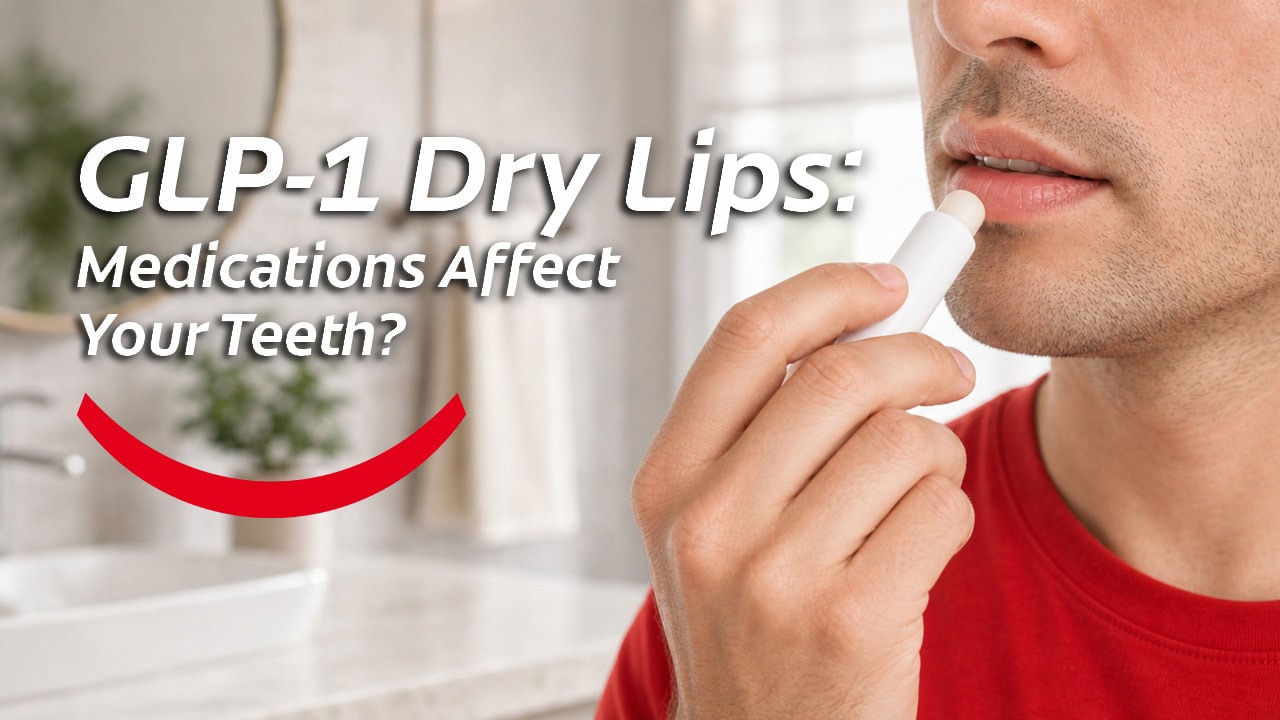
"GLP-1 lips" is a colloquial term for lip thinning, dryness, or cracking that can occur during GLP-1 medication use. The cause is indirect; rapid weight loss can deplete perioral fat volume, while appetite suppression may reduce fluid intake, lowering saliva production and lip moisture.
The phrase "GLP-1 lips" — along with related terms like "GLP-1 mouth" and "GLP-1 face" — emerged on social media and in health publications to describe visible changes around the mouth that some patients notice while taking GLP-1 receptor agonist medications. These include semaglutide (a GLP-1 medication used for type 2 diabetes management and weight loss) and tirzepatide (a dual GIP/GLP-1 receptor agonist used for similar indications). Importantly, neither term appears in the official prescribing information for these drugs; this is a colloquial descriptor, not a recognized medical condition or listed adverse event.
In practice, the phrase can refer to two distinct realities that may occur separately or together:
Identifying which mechanism (or combination of both) is affecting a given patient is essential because the appropriate response differs significantly. Cosmetic and dermatological approaches address volume loss, while oral health interventions and hydration strategies target dryness and its downstream dental consequences.
Understanding why GLP-1 lip changes occur requires looking at two separate biological pathways. Both are consequences of how these medications work rather than direct drug toxicity, which is why they do not appear on the standard side-effect list.
GLP-1 receptor agonists are highly effective at producing significant, relatively rapid weight loss. That weight loss is body-wide and the face is no exception. The perioral region (the area immediately surrounding the mouth) contains subcutaneous fat pads that contribute directly to the shape, fullness, and structural support of the lips. As perioral fat loss accelerates, these pads thin out, causing the lips to appear less full and the surrounding skin to lose support.
Compounding this effect, rapid weight loss is associated with decreases in collagen and elastin, the structural proteins responsible for skin firmness and elasticity. When collagen levels fall, the skin around the mouth becomes less resilient, contributing further to the flattened or aged appearance that patients and clinicians observe. This effect tends to be more pronounced in older patients whose baseline collagen reserves are already naturally lower, and in those experiencing a loss of 10% or more of their total body weight over a short period.
GLP-1 receptor agonists suppress appetite through multiple pathways, including slowing gastric emptying and signaling satiety to the brain. A documented but less-discussed consequence of this suppression is a blunting of the thirst sensation; patients may consume significantly less fluid throughout the day without feeling thirsty. Even mild, sustained dehydration is enough to reduce salivary flow.
Saliva performs several critical protective functions in the mouth: it neutralizes acids produced by bacteria, rinses away food debris, lubricates oral mucosa — including the lip tissue — and supports enamel remineralization. When flow decreases, the lips lose a primary source of moisture, leading to the dry lips, peeling, and cracking that patients report. Emerging research suggests an additional mechanism: semaglutide, due to its high albumin binding, may cause prolonged activation of GLP-1 receptors in the salivary glands, triggering receptor desensitization and beta-arrestin–mediated internalization, and gradually reducing the glands' responsiveness and secretory output.
Cracked lips and a sticky, pasty sensation in the mouth, particularly in the morning or after meals, are often the earliest clinical signals of reduced salivary flow. These symptoms may precede more serious dental complications if left unaddressed.
Barac & Roganović, "GLP-1 Receptor Agonists and Salivary Gland Function," Biology (University of Belgrade), 2025, DOI: 10.3390/biology14121650
| Mechanism | Primary Cause | What You See or Feel | Who Is Most Affected |
|---|---|---|---|
| Perioral fat loss | Rapid, significant weight loss depleting subcutaneous fat pads | Visibly thinner lips, loss of lip definition, perioral volume loss | Patients losing ≥10% body weight; older adults with lower baseline collagen |
| Reduced saliva & hydration | Appetite/thirst suppression → lower fluid intake → reduced salivary flow | Dry, peeling, or cracked lips, sticky mouth, morning discomfort | All patients on GLP-1 medication; more marked at higher doses |

The terms "GLP-1 lips” and "GLP-1 face" are often used interchangeably in popular media, but they describe partially distinct phenomena with different underlying drivers. "GLP-1 face" is the broadest term, referring to overall facial volume loss: sunken cheeks, hollowed temples, and a gaunt or prematurely aged appearance. It can also describe specific changes in the perioral zone: deepened nasolabial folds, perioral wrinkles, lip hollowing, dryness, and cracking around the mouth. "GLP-1 lips" focuses on the lips themselves: their thickness, moisture level, and structural integrity.
Recognizing your own symptoms can help you determine the right course of action. Common signs associated with GLP-1 lip changes and mouth changes include:
| Term | Scope | Key Symptoms | Primary Mechanism | Main Concern |
|---|---|---|---|---|
| GLP-1 Face | Entire face, sometimes specifically the perioral zone | Sunken cheeks, hollow temples, sagging skin, aged appearance, deeper nasolabial folds, perioral wrinkles, lip hollowing, dryness, cracking | Global facial fat atrophy, collagen/elastin loss | Cosmetic, dermatological |
| GLP-1 Lips | Lips specifically | Thinner lips, dry/cracked lips, angular cheilitis, lip discomfort | Perioral fat loss, xerostomia | Oral health, comfort |
Dry, cracked lips during GLP-1 medication treatment are more than a cosmetic inconvenience — they are often the most visible signal of a deeper shift in the oral environment. Xerostomia (the clinical term for dry mouth, caused by reduced salivary flow) has well-documented downstream consequences for oral health. Saliva is not merely a lubricant; it actively neutralizes the acids produced by bacteria, rinses food debris from tooth surfaces, delivers calcium and phosphate ions for enamel remineralization, and maintains the balance of the oral microbiome. When salivary flow diminishes, each of these protective functions weakens simultaneously.
The oral health consequences associated with GLP-1 medication use and reduced saliva are interconnected and can escalate quickly without proactive management:
The takeaway for anyone taking a GLP-1 receptor agonist: dry lips and GLP-1-related dryness are an early warning that your mouth's defenses may be compromised. Acting at the first signs, rather than waiting for tooth sensitivity or visible cavities, is the most effective strategy.
The good news: the majority of GLP-1 lip changes and their oral health consequences are manageable, especially when addressed proactively at the start of treatment. The key is targeting both underlying mechanisms: compensating for reduced perioral volume with cosmetic options and, critically, protecting oral health against the effects of reduced salivary flow. The steps below are dentist-aligned, immediately actionable, and most can be started on the same day.
A striking majority of patients taking GLP-1 receptor agonists do not proactively inform their dentist. Yet these medications can significantly and immediately alter a patient's oral health risk profile. A dental care team that knows you are on a GLP-1 medication can make targeted adjustments: increasing the frequency of preventive check-ups, applying preventive fluoride varnish, monitoring for early enamel erosion, and completing a periodontal assessment before problems become entrenched.
Early intervention on an emerging cavity or early-stage gum disease costs a fraction of the time, discomfort, and money of treating a crown, root canal, or advanced periodontitis. Tell your dentist you are on a GLP-1 medication at your very next appointment. Make it part of your medication list update. The following signs warrant contacting your dental team promptly:
Recommended visit frequency for patients on GLP-1 medications:
Everything described above — GLP-1 dry lips, lip thinning, cracking, and dryness — develops gradually and is not dangerous in the acute sense. Sudden swelling of the lips, tongue, face, or throat is categorically different and constitutes a medical emergency. The prescribing information for GLP-1 receptor agonist medications explicitly lists sudden swelling of the lips, tongue, and throat among the signs of a serious allergic reaction (anaphylaxis). This reaction involves a rapid release of histamine causing vascular dilation and acute tissue edema — a mechanism that is entirely distinct from the slow, weight-loss-driven volume changes or the gradual mucosal dryness discussed throughout this article.
Do not attempt to self-treat sudden lip or facial swelling. Do not wait to see if it resolves. This is not a situation where hydration or lip balm is the answer.
These may be signs of a serious allergic reaction to your GLP-1 medication. Stop taking the medication and call 911 or go to the nearest emergency room immediately. Do not drive yourself.
"GLP-1 lips" is a colloquial term — not a medical diagnosis — used to describe lip thinning, dryness, or cracking that some people notice while taking a GLP-1 receptor agonist medication such as semaglutide or tirzepatide. It is not a listed drug side effect, but rather an indirect consequence of rapid weight loss and reduced salivary flow associated with these medications.
Yes, indirectly. GLP-1 medications suppress appetite and can blunt the thirst response, leading to lower fluid intake and reduced salivary production. Decreased saliva means less moisture reaching the lip mucosa, which can result in dry lips, peeling, and cracking, especially in the morning or after extended periods without water.
Semaglutide — the active ingredient in certain GLP-1 medications — does not directly target lip tissue. However, the significant weight loss it produces reduces fat pads throughout the body, including the perioral region. This perioral fat loss can cause lips to appear visibly thinner, an effect more pronounced with larger or faster weight loss.
GLP-1 face refers to facial volume loss: sunken cheeks, hollowed temples, and a gaunt or prematurely aged appearance. It can also refer specifically to a cluster of changes in the perioral zone (the area surrounding the mouth) including deepened nasolabial folds, perioral wrinkles, lip hollowing, dryness, and cracking. It overlaps with "GLP-1 lips" but refers more broadly to the entire mouth and surrounding tissue, rather than the lips specifically.
Management depends on the underlying cause. For dryness and cracking, increase intentional water intake and see a dentist or your prescribing physician if symptoms persist. For visible lip thinning caused by fat volume loss, cosmetic options such as hyaluronic acid fillers may be discussed with a dermatologist or cosmetic physician. This falls outside the scope of dental care.
While not formally listed as drug side effects, GLP-1 oral health risks associated with these medications can include: dry mouth (xerostomia), dry and cracked lips, increased cavity risk, gum inflammation, enamel erosion (from associated nausea and vomiting), bad breath and taste changes. These are indirect consequences of reduced saliva flow, lower fluid intake, and gastrointestinal effects, not direct drug toxicity.
Gradual lip thinning can occur as a cosmetic consequence of weight loss. However, sudden lip swelling is a different matter entirely and may indicate a serious allergic reaction (anaphylaxis). If you experience sudden swelling of the lips, tongue, face, or throat — especially with difficulty breathing, hives, or dizziness — stop the medication immediately and call 911. This is a medical emergency, not a cosmetic concern.
Key steps include: drinking at least 1.5–2 liters of water daily on a schedule rather than waiting for thirst; brushing twice daily with a fluoride toothpaste; using an alcohol-free mouthwash; chewing sugar-free xylitol gum; flossing daily; increasing your dental check-up frequency; and informing your dentist that you are on a GLP-1 receptor agonist.
For dryness and cracking related to reduced saliva, symptoms often improve when hydration is restored, whether during or after treatment. For lip thinning caused by fat volume loss, this depends on whether weight is regained after stopping treatment and whether the perioral fat pads are restored. Skin and collagen changes may be slower to reverse, particularly in older individuals.
Hyaluronic acid fillers are a cosmetic option sometimes discussed for addressing lip volume loss related to weight loss, including that associated with GLP-1 medications. This is a decision to discuss with a qualified cosmetic physician or dermatologist. It addresses the esthetic component of lip thinning but does not address the oral health dimension of dryness, reduced saliva, or elevated cavity risk, which require separate dental management.
This article is intended to promote understanding and knowledge about general oral health topics. It is not intended to be a substitute for professional advice, diagnosis or treatment. Always seek the advice of your dentist or other qualified healthcare provider with any questions you may have regarding a medical condition or treatment.
ORAL HEALTH QUIZ
Take our Oral Health assessment to get the most from your oral care routine
ORAL HEALTH QUIZ
Take our Oral Health assessment to get the most from your oral care routine
Dry mouth may be a result of menopause and can have an effect on your overall health. Find out more about you can deal with hormonal shifts and dry mouth.
.jpeg)
Most cases of dry mouth after surgery are temporary. If the problem lingers, you may need to see a dentist. Check out these symptoms and treatments.
Dry mouth toothpaste can stave off discomfort and potential health issues. Find out if dry mouth toothpaste can be the remedy for your dry mouth.

Your salivary glands, which produce saliva, play a critical role in not just your oral health, but your overall health. Learn how to keep them healthy.
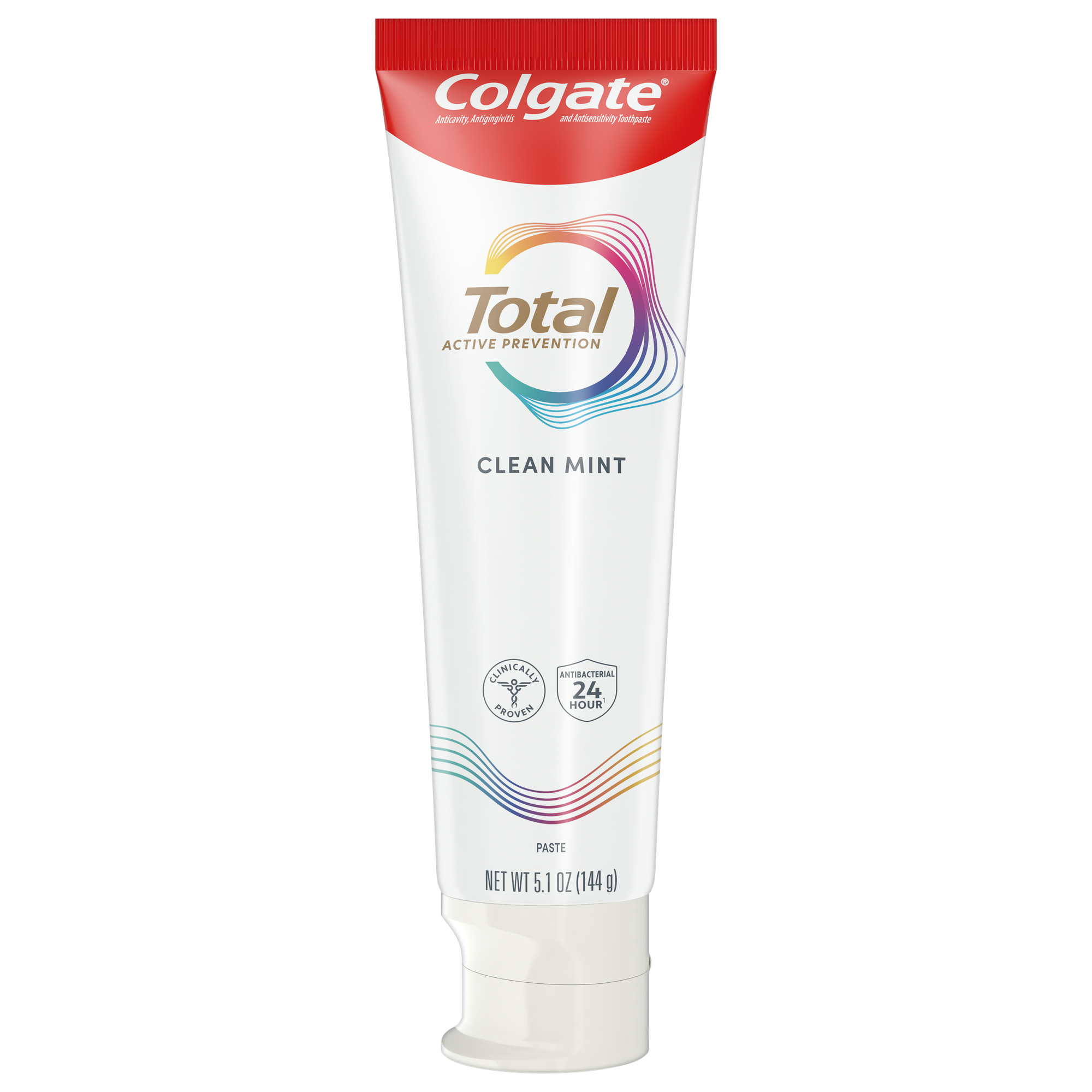
Colgate Total® Clean Mint Toothpaste fights bacteria, the root cause of many oral health issues such as gingivitis, tartar, sensitivity, weak enamel, bad breath, and cavities.
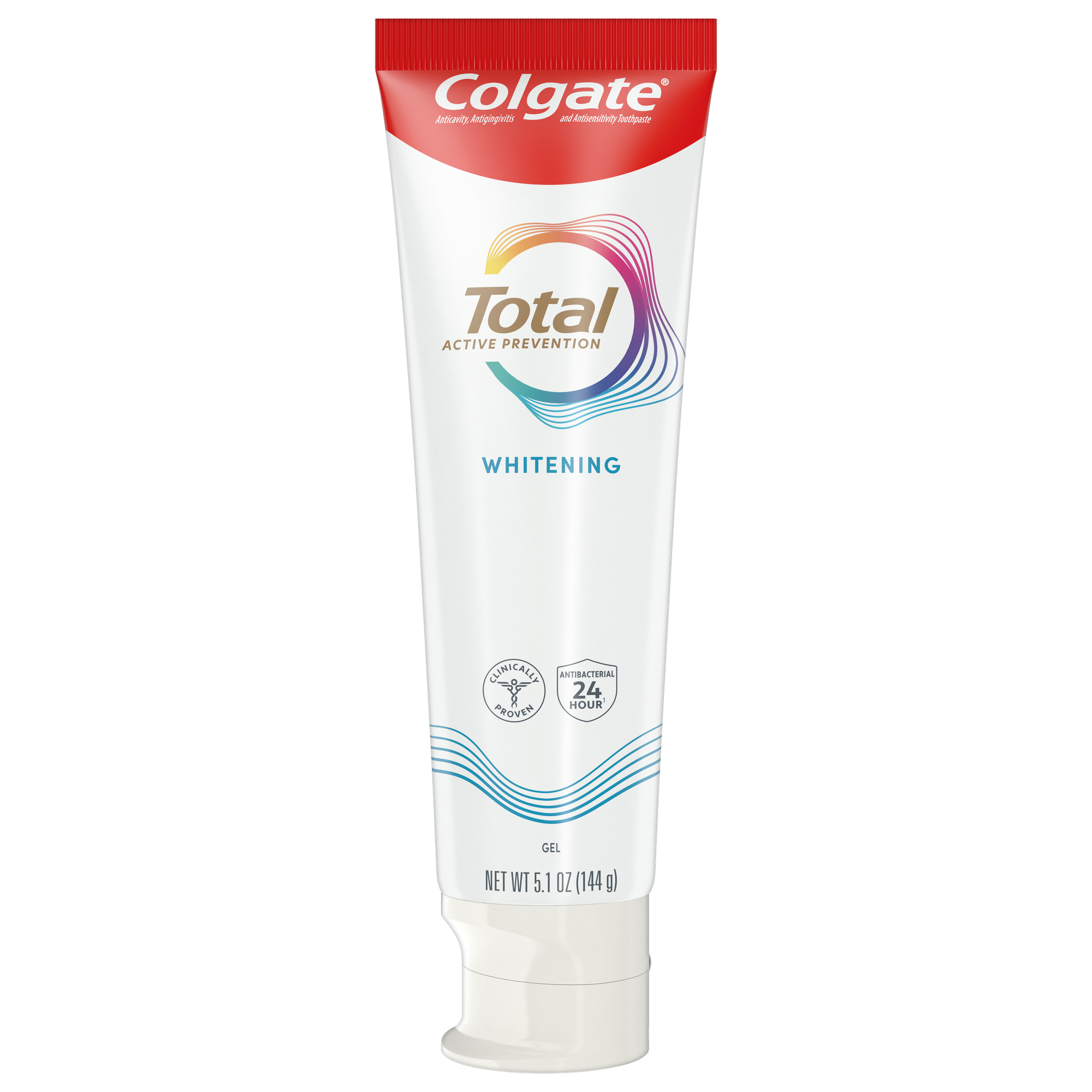
Colgate Total Whitening Gel Toothpaste fights bacteria, the root cause of many oral health issues such as gingivitis, tartar, sensitivity, weak enamel, bad breath, and cavities.
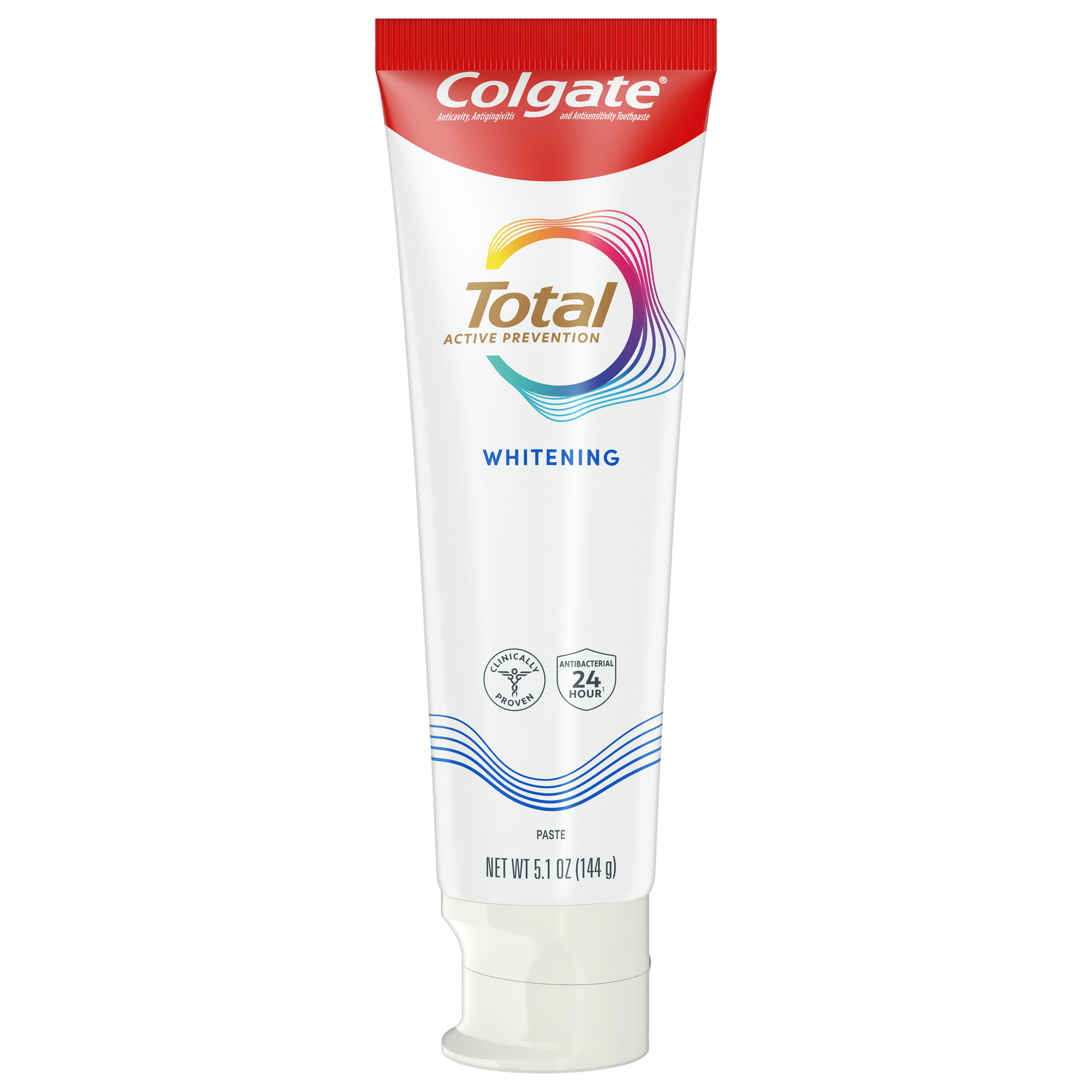
Colgate Total Whitening Toothpaste fights bacteria, the root cause of many oral health issues such as gingivitis, tartar, sensitivity, weak enamel, bad breath, and cavities.
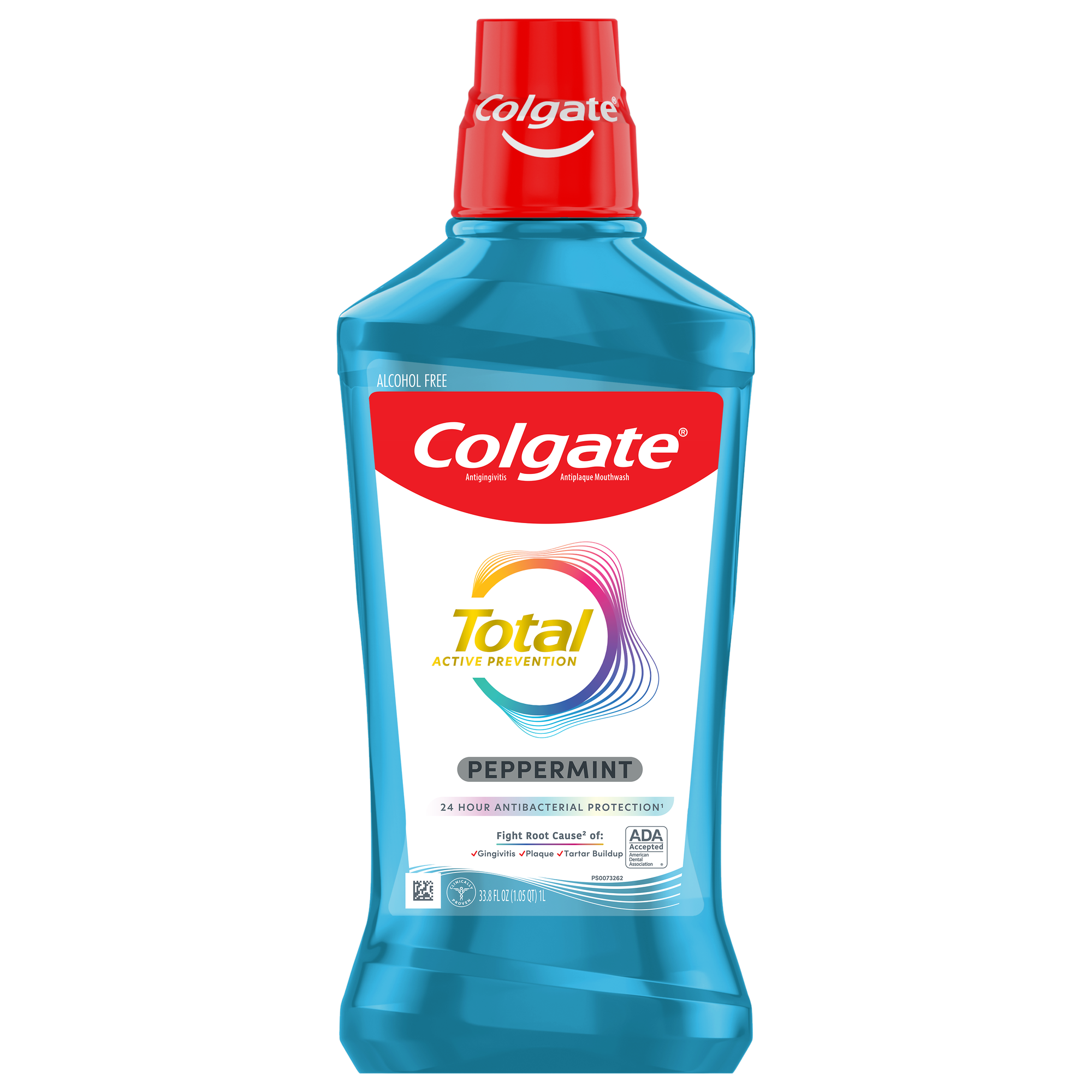
Colgate Total Alcohol Free* Peppermint Mouthwash delivers 24-hour protection** against bacteria.

