Fluoride toothpaste: benefits, safety, and how it protects your teeth
min read

In this article:
Yes. Fluoride plays an important role in maintaining oral health and preventing cavities.
Fluoride is widely used for its proven dental benefits, and many people are eager to learn more about how it protects their teeth.
Dental research consistently shows that fluoride boosts your teeth’s resistance to mineral loss and strengthens enamel, making teeth more resistant to acid attacks.
When acids produced by bacteria weaken tooth enamel, fluoride helps reverse this process and increases resistance to future damage, reducing the likelihood of cavities.
Fluoride (which is different from fluorine) is a naturally occurring mineral found in soil, water, and certain foods. In the world of oral care, fluoride is considered a "nature’s cavity fighter" because of its unique ability to strengthen tooth enamel.
While "fluoride" is the general term used, oral care products actually use specific fluoride compounds to deliver this mineral to your enamel. In your toothpaste or mouthwash, it is most commonly found as sodium fluoride, though you may also see forms like stannous fluoride or sodium monofluorophosphate.
These compounds are highly effective at strengthening both baby teeth, and permanent teeth against decay.
When fluoride toothpaste comes into contact with teeth, it supports a process called remineralization. This process repairs early enamel damage caused by biofilm or bacterial plaque.
Bacteria feed on sugars in the mouth and produce acids that weaken enamel. Over time, this damage increases the risk of cavities.
Regular use of fluoride toothpaste allows fluoride to integrate into the enamel structure, creating a more acid-resistant surface.
Fluoride reduces cavity risk by reinforcing enamel. It helps balance your tooth needs because enamel constantly gains and loses minerals throughout the day.
When acid exposure outweighs remineralization, enamel becomes weaker.
Fluoride helps restore mineral balance by combining with calcium and phosphate in saliva to form fluorapatite, a crystal structure that is significantly more resistant to acid erosion than natural enamel.
As a result, enamel becomes stronger and less vulnerable to acid erosion caused by food and bacteria. This is how fluoride prevents cavities and other oral health issues.
Fluoride toothpaste offers additional protection for you and your family.
Additionally, brushing increases contact time and physically removes plaque.
Fluoride strengthens enamel and helps protect teeth from the acids produced by bacteria. By making enamel more resistant to acids, fluoride lowers the risk of tooth decay, one of the most common oral diseases worldwide.
Fluoride helps counteract enamel demineralization. When acids weaken enamel, fluoride supports mineral replacement and reinforces the tooth surface.
Fluoride repairs early enamel damage before cavities fully form. It supports the natural repair process by restoring lost minerals and improving enamel resistance.
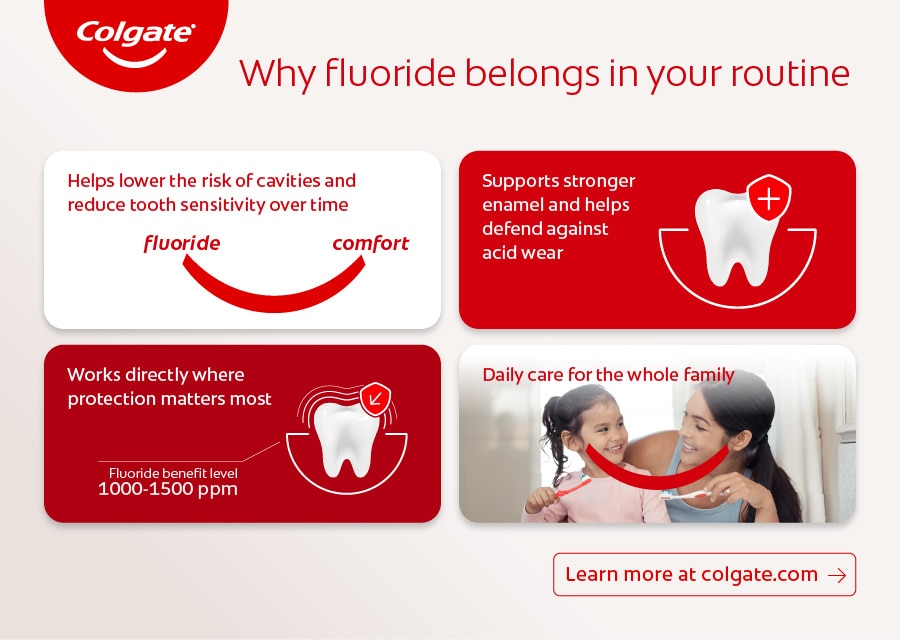
Supported by World Health Organization guidelines, using fluoride toothpaste as directed is a safe and reliable way to keep your family's teeth strong and healthy.
However, one of the most common questions is when kids should start using fluoride toothpaste.
When used correctly, fluoride toothpaste provides benefits without significant risk.
Yes. Daily use of fluoride toothpaste is recommended.
For optimal oral health, fluoride toothpaste should be combined with other habits:
Choosing appropriate oral care tools, such as a soft-bristled toothbrush or electric toothbrushes, also improves results and strengthens your oral care routine.
Most standard toothpastes achieve this 1,000 to 1,150 ppm concentration (according to WHO) using sodium fluoride. Children should use age-appropriate formulas under dental guidance.
No, provided it is used correctly. Fluoride in toothpaste strengthens enamel and prevents cavities. Supervision is important to avoid excessive ingestion during tooth development.
Yes. Fluoride is suitable for both baby teeth and permanent teeth when used as directed according to age-specific recommendations.
This article is intended to promote understanding and knowledge about general oral health topics. It is not intended to be a substitute for professional advice, diagnosis or treatment. Always seek the advice of your dentist or other qualified healthcare provider with any questions you may have regarding a medical condition or treatment.
ORAL HEALTH QUIZ
Take our Oral Health assessment to get the most from your oral care routine
ORAL HEALTH QUIZ
Take our Oral Health assessment to get the most from your oral care routine

Discover if whitening toothpaste is right for you: understand its effectiveness and safety to choose the best product for your dental health.

Looking for a way to brighten your smile with teeth whitening? Learn more about both UV and blue light teeth whitening to decide which is the best option for you.

By: Mandy Dennis
Registered Dental Hygienist

A brighter smile can boost your confidence, consider a professional enamel microabrasion. Click here to learn more about enamel microabrasion with Colgate®.
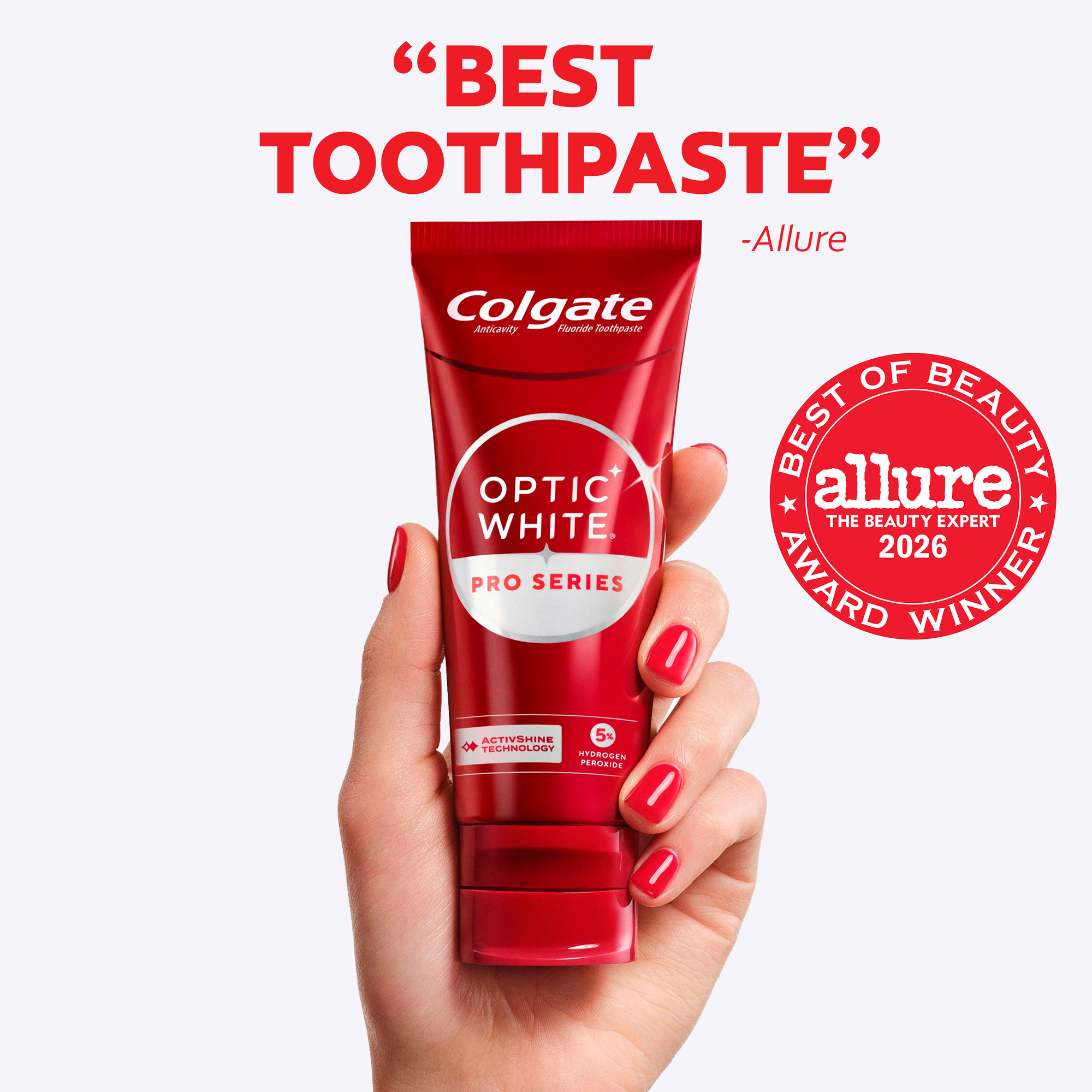
Colgate® Optic White® Pro Series Toothpaste is a 2026 Allure Best of Beauty Award winner
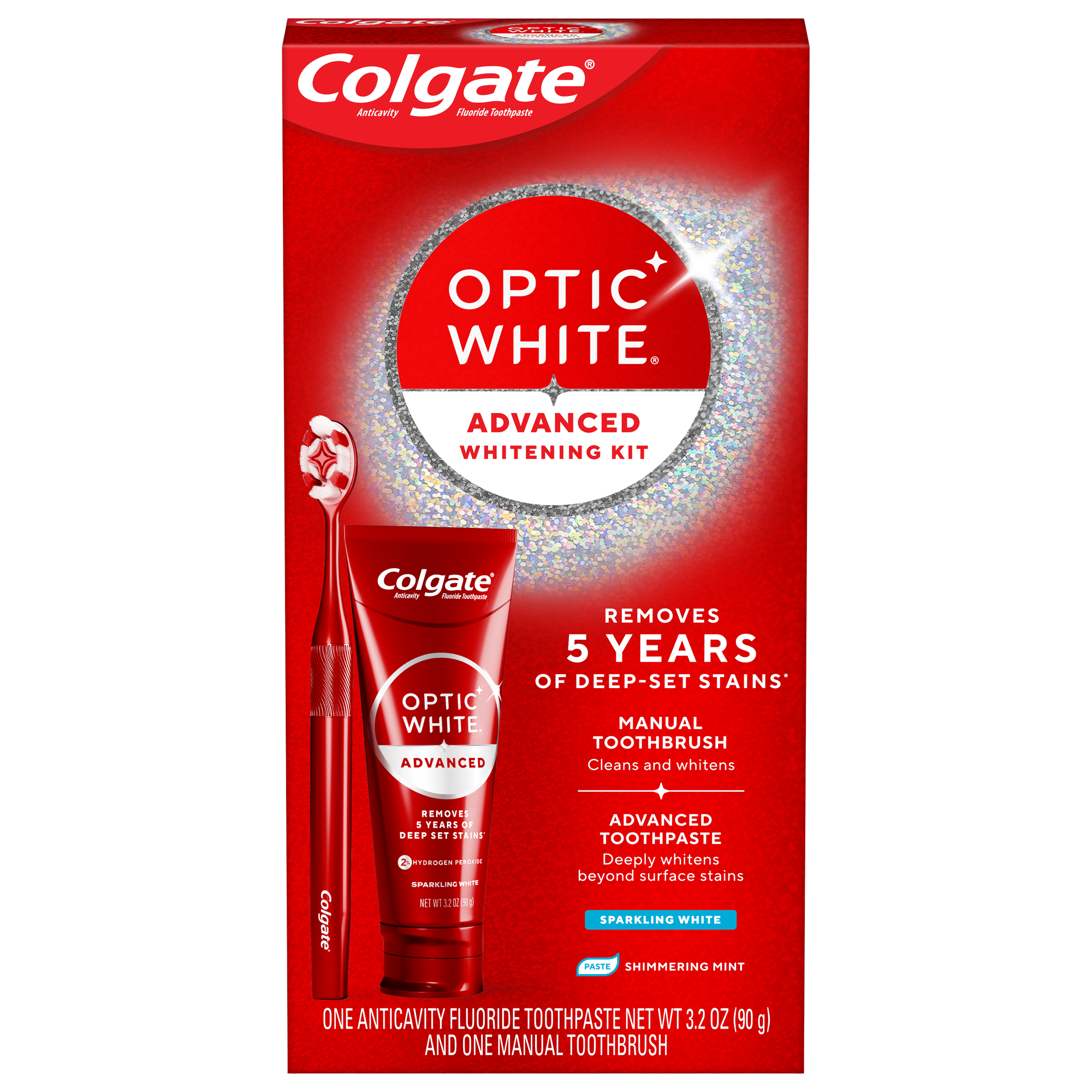
Reveal a brighter smile at home with the Colgate Optic White Advanced Teeth Whitening Bundle Kit.
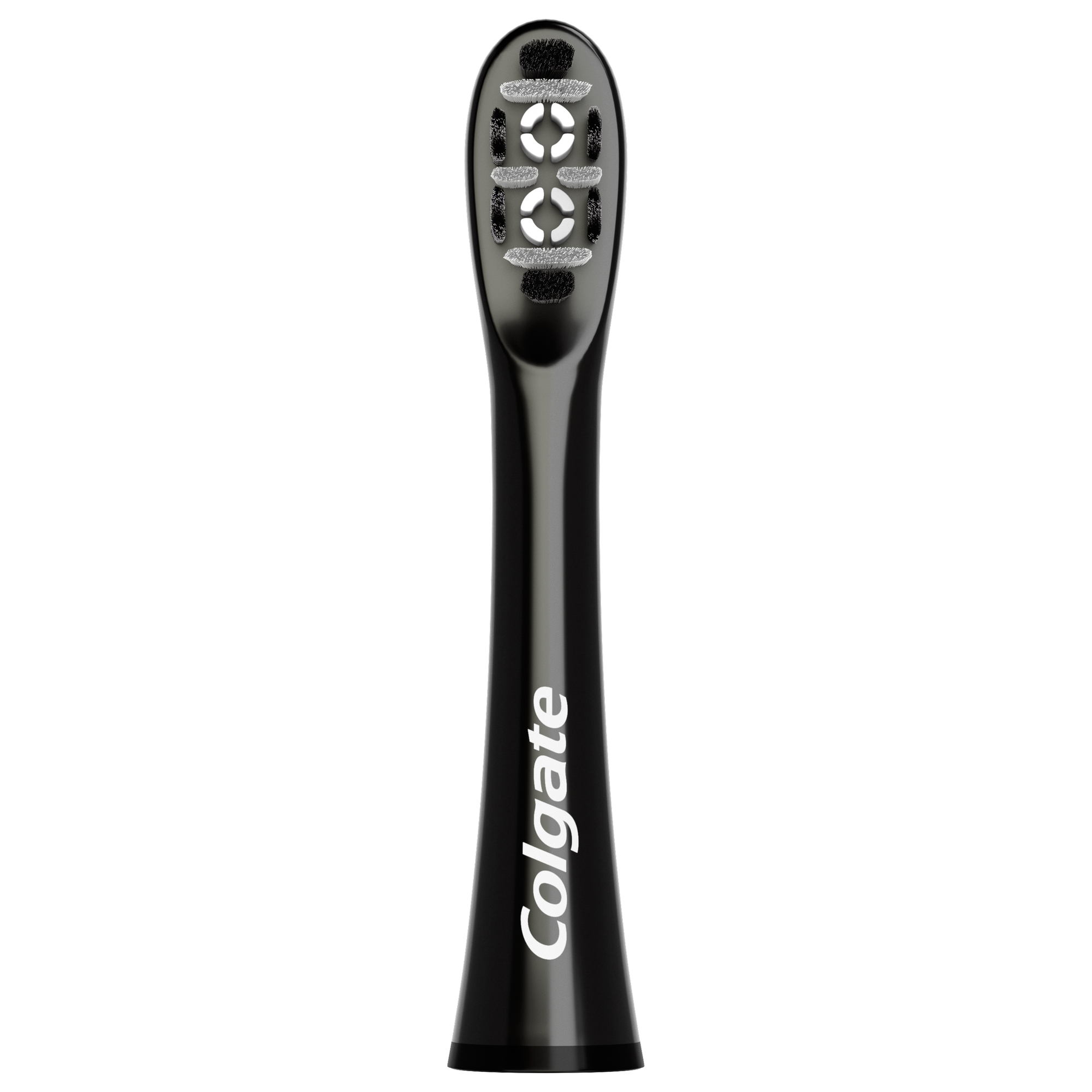
The Colgate Optic White Replacement Toothbrush Heads Pack includes two replacement brush heads so you always have extra power toothbrush replacement heads available for your Colgate Battery Powered Toothbrush.
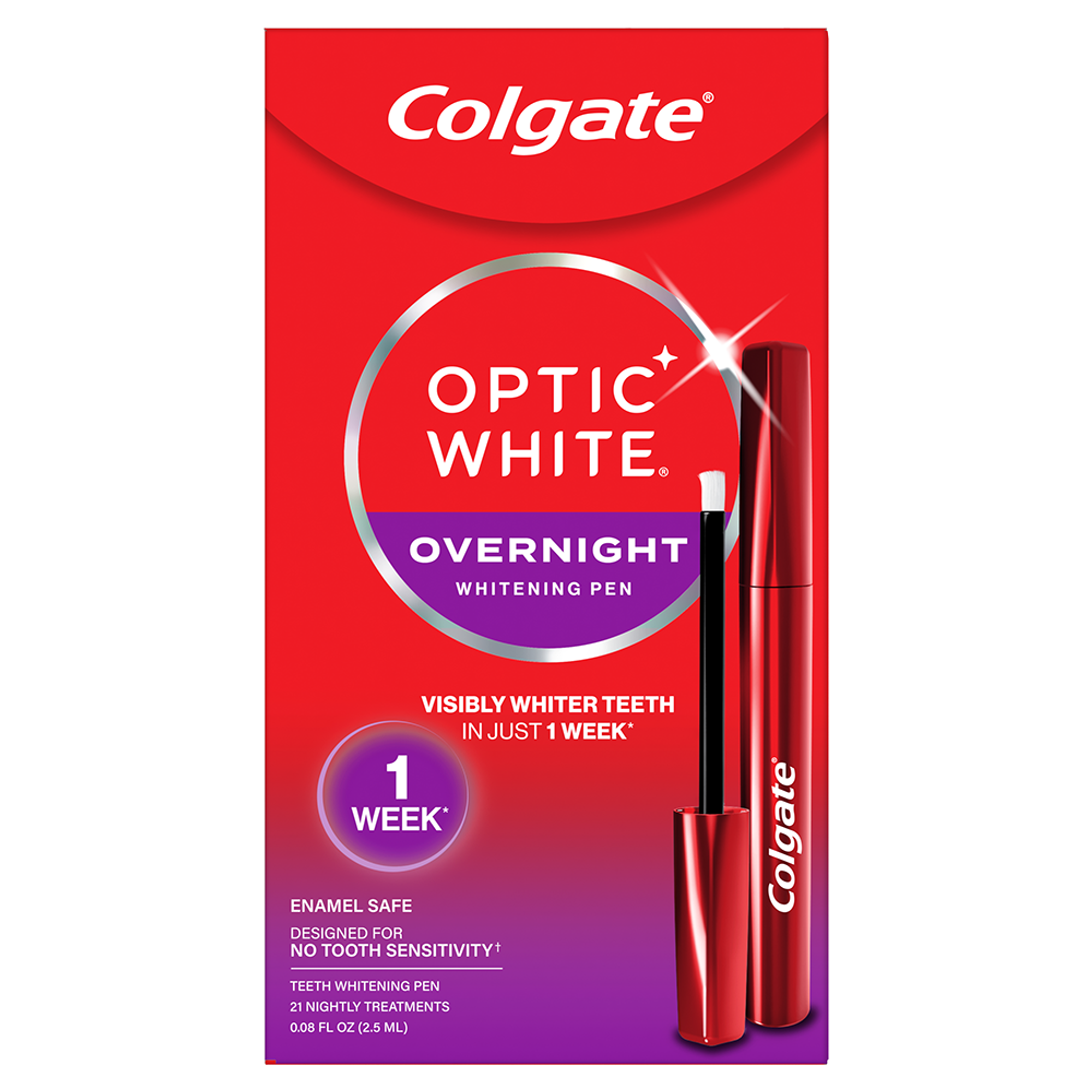
Experience visibly whiter teeth in just 1 week* with the Colgate Optic White Overnight Teeth Whitening Pen. This whitening pen contains 21 nightly treatments and has a hydrogen peroxide-based formula that is enamel-safe and designed for no tooth sensitivity during and after the whitening treatment.
when used as directed