When should kids start using fluoride toothpaste?
min read

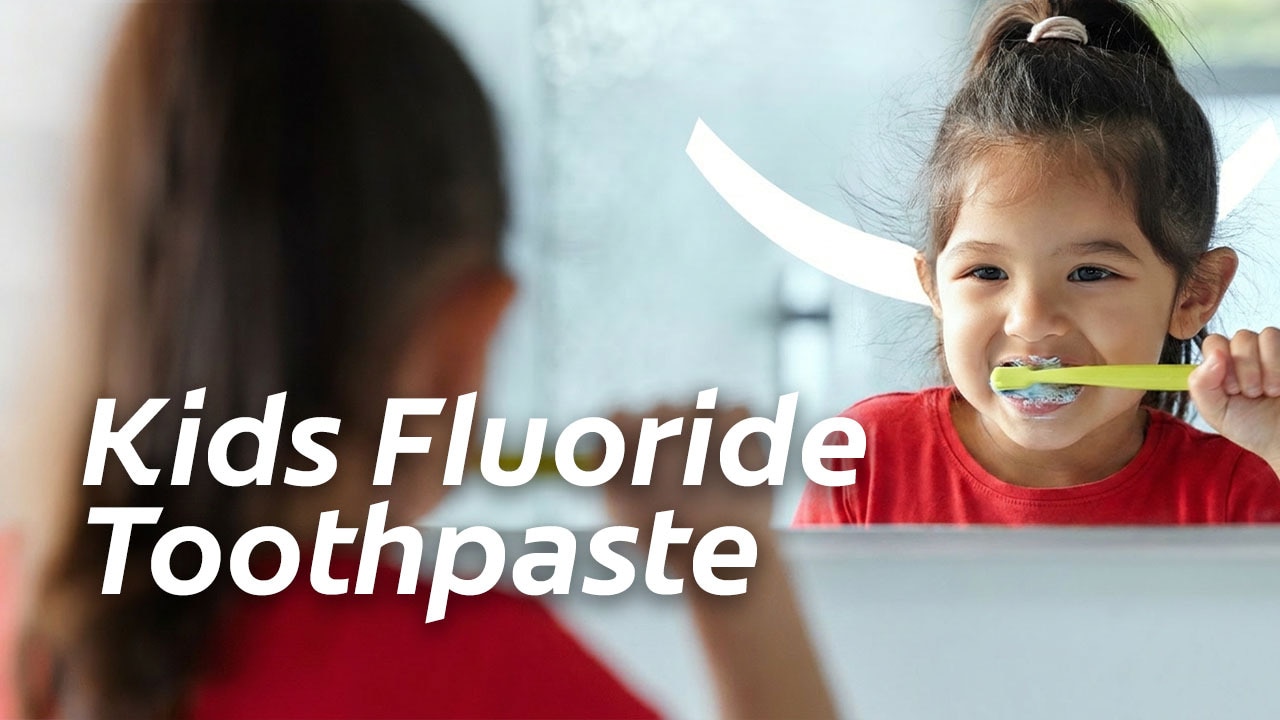
It is important to supervise children's brushing to ensure they don't swallow toothpaste and to help them develop healthy oral care habits.
Because newly erupted teeth have 'young' enamel that hasn't fully hardened yet, they are more vulnerable to acid, introducing fluoride early strengthens teeth and lowers cavity risk for life.
Key takeaways:
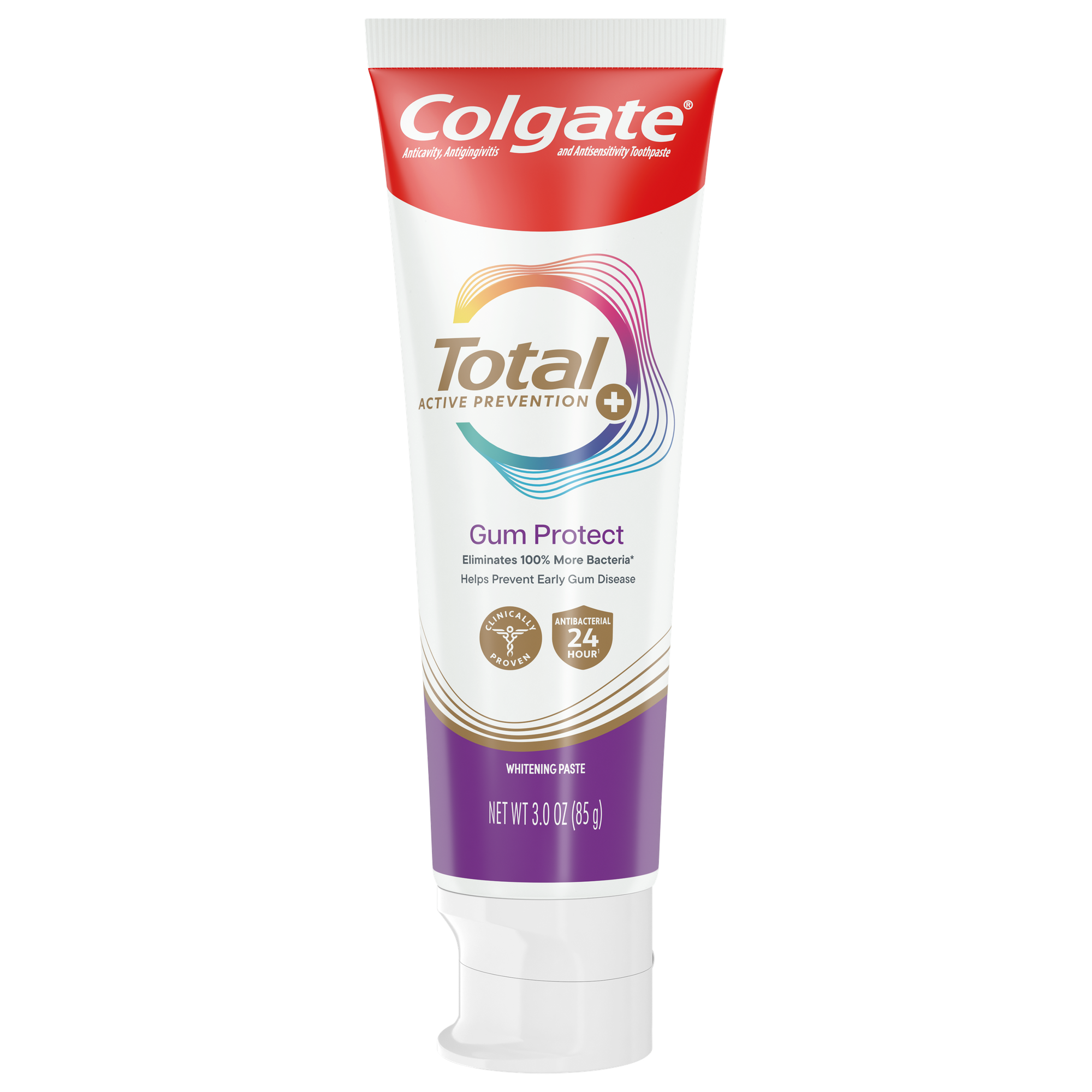
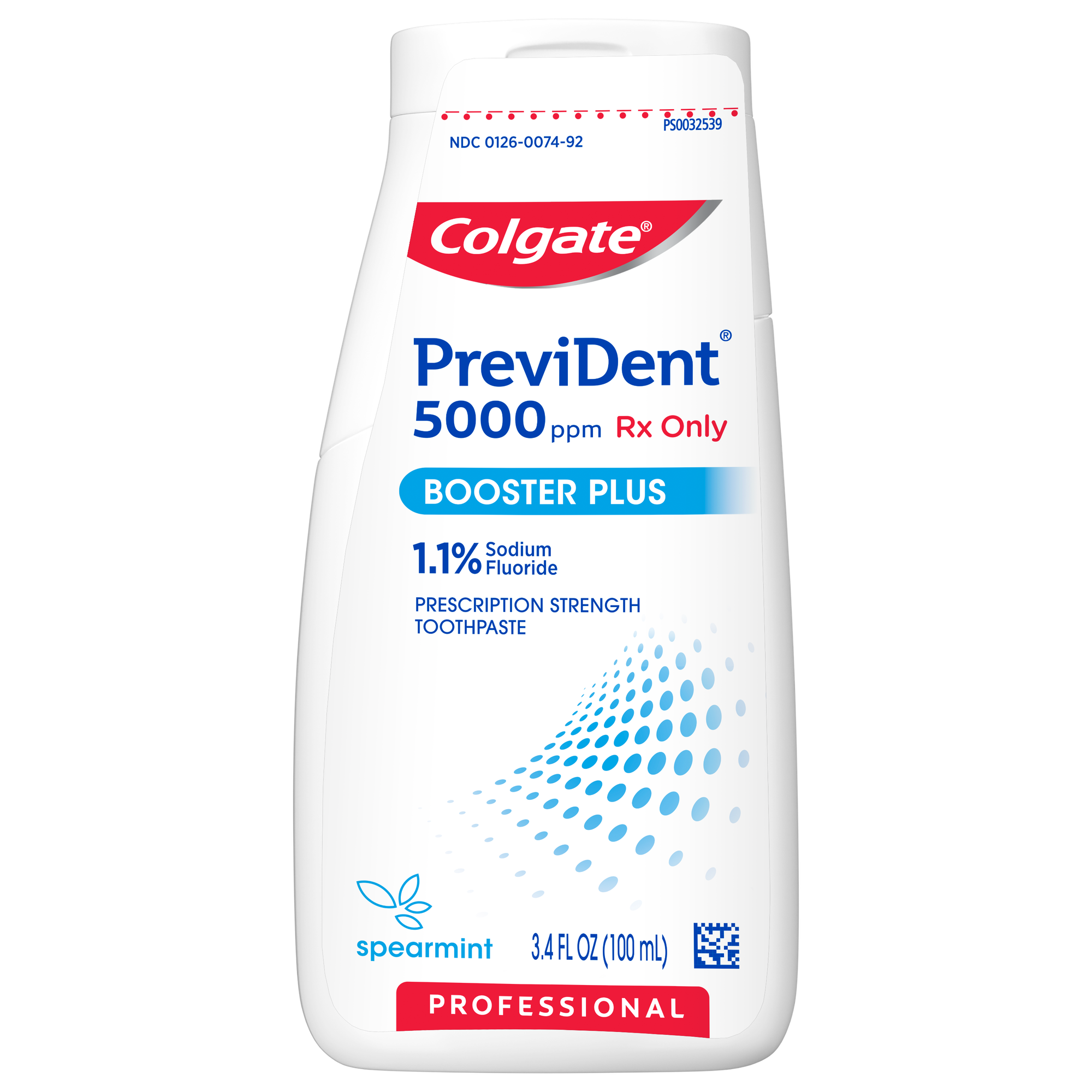
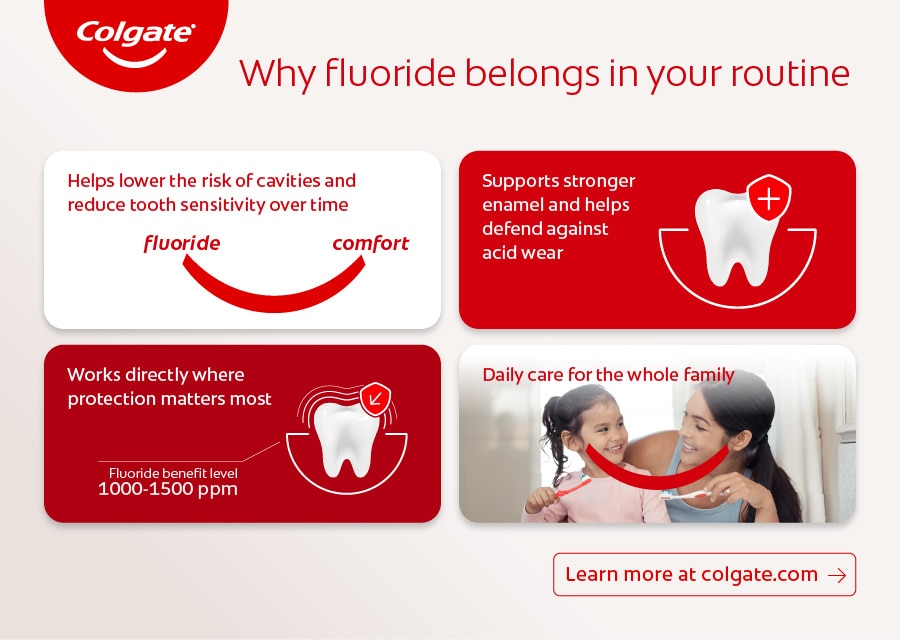
Fluoride toothpaste strengthens developing enamel and prevents cavities even in baby teeth—early fluoride exposure hardens enamel crystals and builds resistance against sugar acids.
As a result, children who use fluoride toothpaste have significantly fewer cavities in both baby and adult teeth.
Interesting facts about fluoride for kids:
Kids should start using fluoride toothpaste as soon as the first tooth appears, usually around 6 months old.
Dental associations recommend starting fluoride brushing early, using only a very small amount (the “smear”) to balance benefits and healthy use. Therefore, introducing fluoride
during infancy builds protection from the start of tooth eruption.
Interesting facts about brushing with fluoride toothpaste:
As mentioned earlier, the correct fluoride amount depends on the child’s age. When used in proper quantities, fluoride toothpaste safely strengthens enamel without risk of fluorosis:
Interesting facts about how much toothpaste to use:
Supervised brushing ensures safety and builds good habits. Parents should apply the toothpaste, monitor brushing, and make sure children don’t swallow it.
According to dental recommendations, parental help is important until at least age 7 or a child can tie their own shoes.
Interesting facts about safety and parental supervision:
As soon as the first tooth appears, typically around 6 months of age.
Under 3 years: a “smear” (rice-sized). Ages 3–6: a pea-sized amount.
Yes. According to dental guidelines, it’s safe when used in small, recommended amounts.
No. Spitting out excess foam is enough, rinsing removes the fluoride layer that continues protecting teeth.
This article is intended to promote understanding and knowledge about general oral health topics. It is not intended to be a substitute for professional advice, diagnosis or treatment. Always seek the advice of your dentist or other qualified healthcare provider with any questions you may have regarding a medical condition or treatment.
ORAL HEALTH QUIZ
Take our Oral Health assessment to get the most from your oral care routine
ORAL HEALTH QUIZ
Take our Oral Health assessment to get the most from your oral care routine
Discover if whitening toothpaste is right for you: understand its effectiveness and safety to choose the best product for your dental health.

Looking for a way to brighten your smile with teeth whitening? Learn more about both UV and blue light teeth whitening to decide which is the best option for you.

By: Mandy Dennis
Registered Dental Hygienist

A brighter smile can boost your confidence, consider a professional enamel microabrasion. Click here to learn more about enamel microabrasion with Colgate®.