How fluoride strengthens enamel (remineralization explained)
min read

Key takeaways:
Tooth enamel is the hard mineral layer that protects teeth from acids and wear. It is primarily made of hydroxyapatite, a crystal form of calcium and phosphate. Because enamel contains no living cells, it cannot regrow once lost. Therefore, protecting and replenishing its minerals is essential to maintaining the structural integrity of your teeth.
Interesting facts about tooth enamel:
Remineralization is the natural repair process that restores lost minerals to weakened enamel. According to dental research, saliva constantly delivers calcium, phosphate, and fluoride to enamel surfaces. As a result, microscopic damage can be reversed before cavities form.
Interesting facts about tooth remineralization:
Fluoride strengthens tooth enamel by creating fluorapatite, a mineral that is notably more resilient to acid erosion. This process involves fluoride ions becoming integrated into the enamel's crystal structure, where they replace hydroxyl groups. Scientific studies show that this substitution results in a harder, more stable, and protective surface.
Therefore, regular exposure to fluoride enhances enamel repair and prevents cavities.
Interesting facts about fluoride results:
Without fluoride, demineralization outpaces natural repair. Because of this, enamel loses integrity and cavities develop faster.
Dentists frequently note that communities lacking fluoridated water often exhibit greater rates of tooth decay, which underscores the advantages of fluoride.
Interesting facts about about fluoride deficiency:
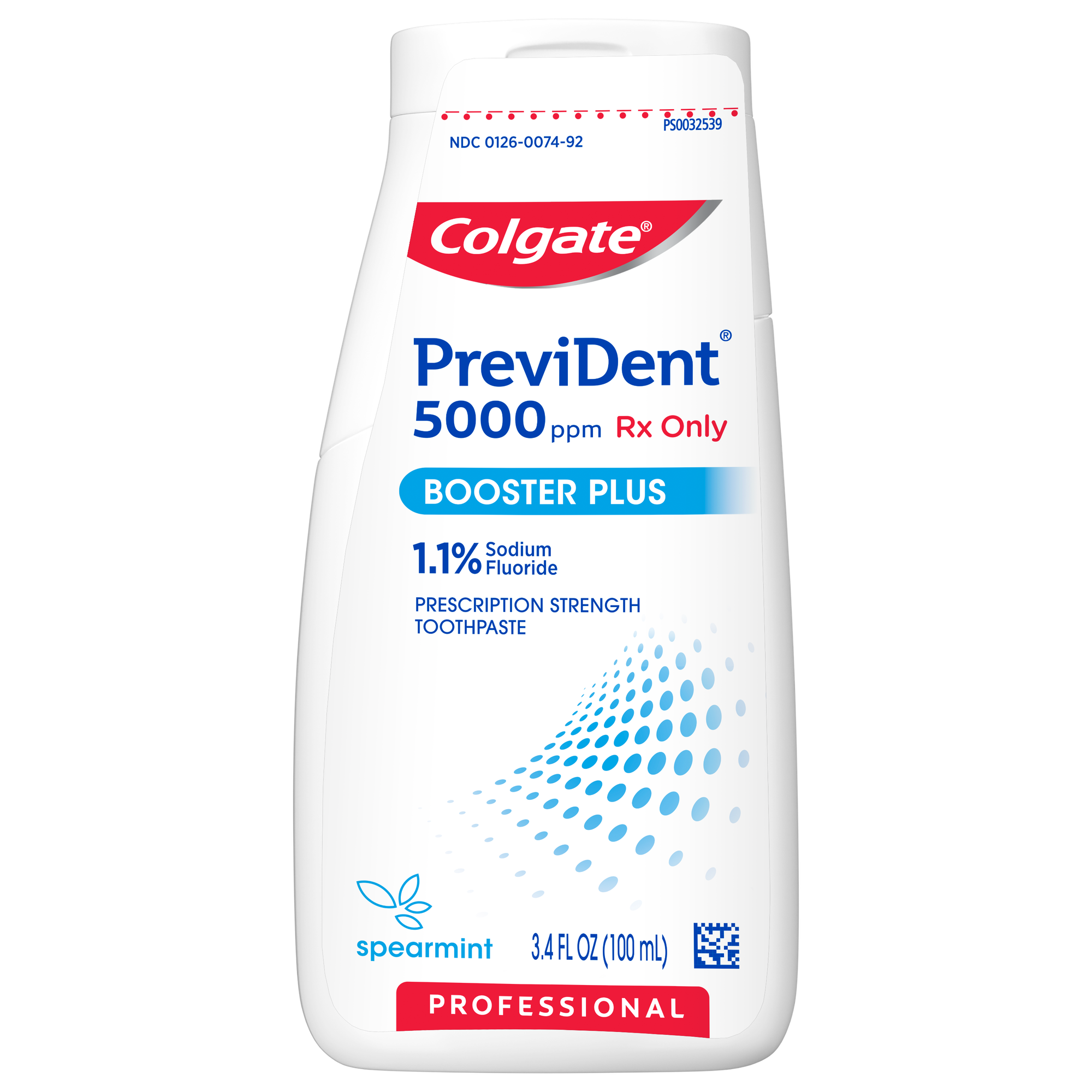
You’ve likely heard the talk or read information about fluoride-free oral care products. However, the fact remains that fluoride is most effective when applied regularly in low concentrations. When used as directed on the label, fluoride toothpaste and rinses safely promote enamel remineralization.
Interesting facts about about daily fluoride use:
It cannot regrow enamel but can rebuild weakened areas through remineralization.
Yes, according to dental recommendations, fluoride in regulated toothpaste is safe and effective.
Minor enamel weakening can improve within weeks of consistent fluoride use.
This article is intended to promote understanding and knowledge about general oral health topics. It is not intended to be a substitute for professional advice, diagnosis or treatment. Always seek the advice of your dentist or other qualified healthcare provider with any questions you may have regarding a medical condition or treatment.
ORAL HEALTH QUIZ
Take our Oral Health assessment to get the most from your oral care routine
ORAL HEALTH QUIZ
Take our Oral Health assessment to get the most from your oral care routine

Discover if whitening toothpaste is right for you: understand its effectiveness and safety to choose the best product for your dental health.

Looking for a way to brighten your smile with teeth whitening? Learn more about both UV and blue light teeth whitening to decide which is the best option for you.

By: Mandy Dennis
Registered Dental Hygienist

A brighter smile can boost your confidence, consider a professional enamel microabrasion. Click here to learn more about enamel microabrasion with Colgate®.