Dental Implants: A Permanent Tooth Replacement to Consider
January 9, 2023.
3
min read


While the loss of a permanent tooth, or even total tooth loss, is probably more common than you think, many people feel insecure about it happening to them. But because a permanent dental implant feels like a normal tooth, it can do wonders for your self-esteem! Beyond aesthetics, a dental implant helps you with daily activities, like eating and speaking. Your surgeon will put a titanium post directly into your jaw. This post holds the implant in place. Thus, an implant can't come loose as a denture does. Dental implants also benefit general oral health since there's no need to anchor them to your other teeth, like bridges. So if there's decay in another tooth, for example, your implant's success isn't dependent on its neighbors!
Dental implant success can depend on a few factors, like your age, health, and the location of your missing teeth. Still, the average success rate pretty high. According to the American Association of Oral and Maxillofacial Surgeons (AAOMS), it's more than 95 percent effective! Because the implant penetrates the jawbone and gum, certain people at risk for gum disease may not be a good fit for the procedure. This could include people who smoke or have diabetes, for example. But even if you have certain health conditions, don't rule it out! Having a conversation with your dental professional is essential, as they'll be able to check whether dental implants are right for you.
For your implant to be successful, you'll need to keep up with a superb oral health routine. You must brush your teeth twice a day, clean between your teeth once a day with floss or a water flosser (also known as interdental cleaning), and regularly visit your dental professional. We should note that some insurance companies do not cover the cost of a dental implant. It can cost a few thousand dollars per tooth, and there could be an extra cost for the attached crown on top of the dental implant.
Given the cost of dental implants, it's no wonder you'll want to find out the optimal ways to care for them! We recommend avoiding hard food items that are difficult to chew and staying away from substances that could stain your new teeth, like coffee and tobacco products. You should also seek treatment if you grind your teeth, as you wouldn't want to cause any unnecessary friction for your implants.
While getting dental implants is a big decision, the success rate and positive impact on many people's lives are very encouraging. The invention of permanent teeth replacements is exciting, as tooth loss affects millions of people in the United States. With this option for a permanent solution, there's no reason you should suffer the discomfort or insecurity of life with a missing tooth. We recommend speaking with your dental professional about whether dental implants are right for you and how to keep your mouth and body healthy before and after surgery for a positive outcome!
Oral Care Center articles are reviewed by an oral health medical professional. This information is for educational purposes only. This content is not intended to be a substitute for professional medical advice, diagnosis or treatment. Always seek the advice of your dentist, physician or other qualified healthcare provider.
ORAL HEALTH QUIZ
Take our Oral Health assessment to get the most from your oral care routine

Learn more about dentures, including dental implant procedures, and much more, from the Colgate Oral Care Center.
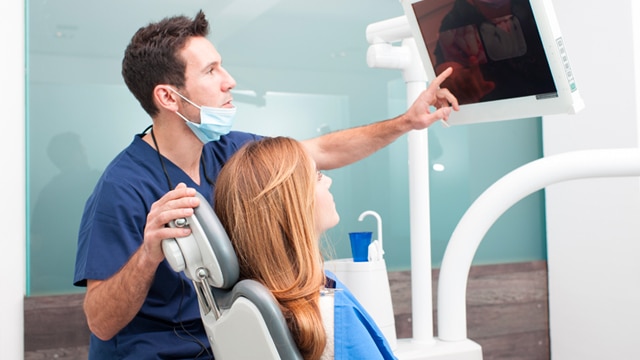
Dental implants are artificial teeth that are implanted into the mouth and jaw, often used when adults lose adult teeth. Learn more about cost, recovery and more.

A dental bridge or implant are two options your dentist can provide to replace a missing tooth, and each option has different advantages.
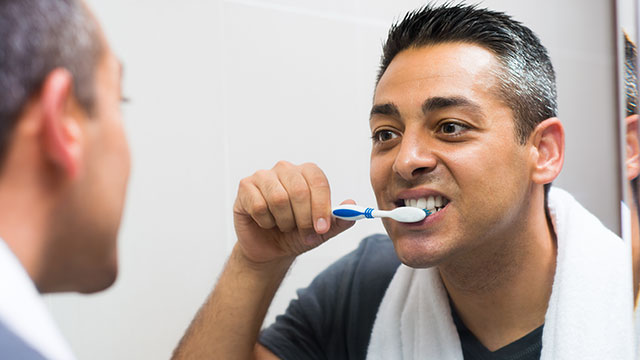
After getting a dental implant, it's important to care for your abutment tooth properly to ensure long-term success and optimal oral health. Here's how.
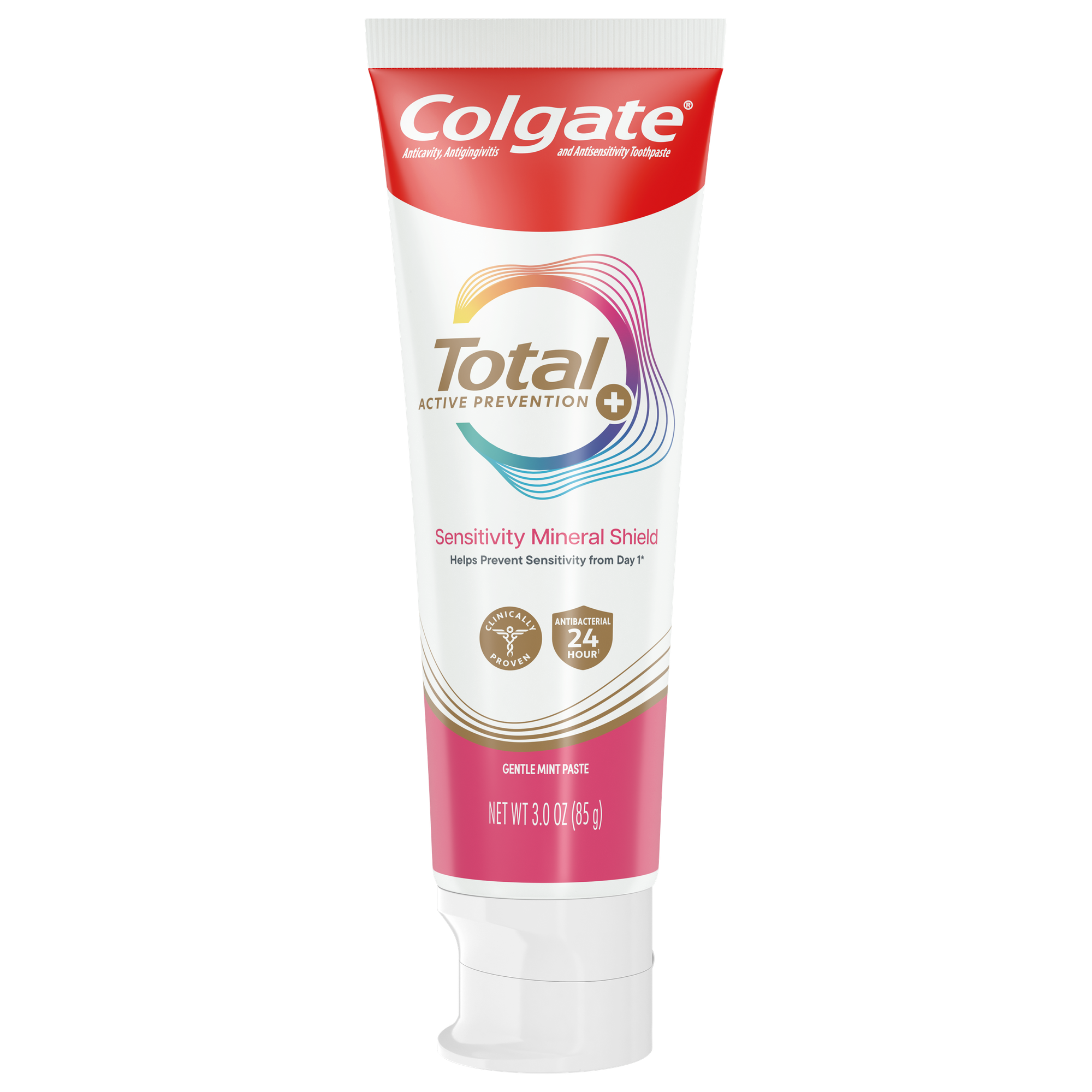
Help prevent sensitivity from day 1* with Colgate Total Active Prevention Sensitivity Mineral Shield Mint Toothpaste.
*with twice daily use
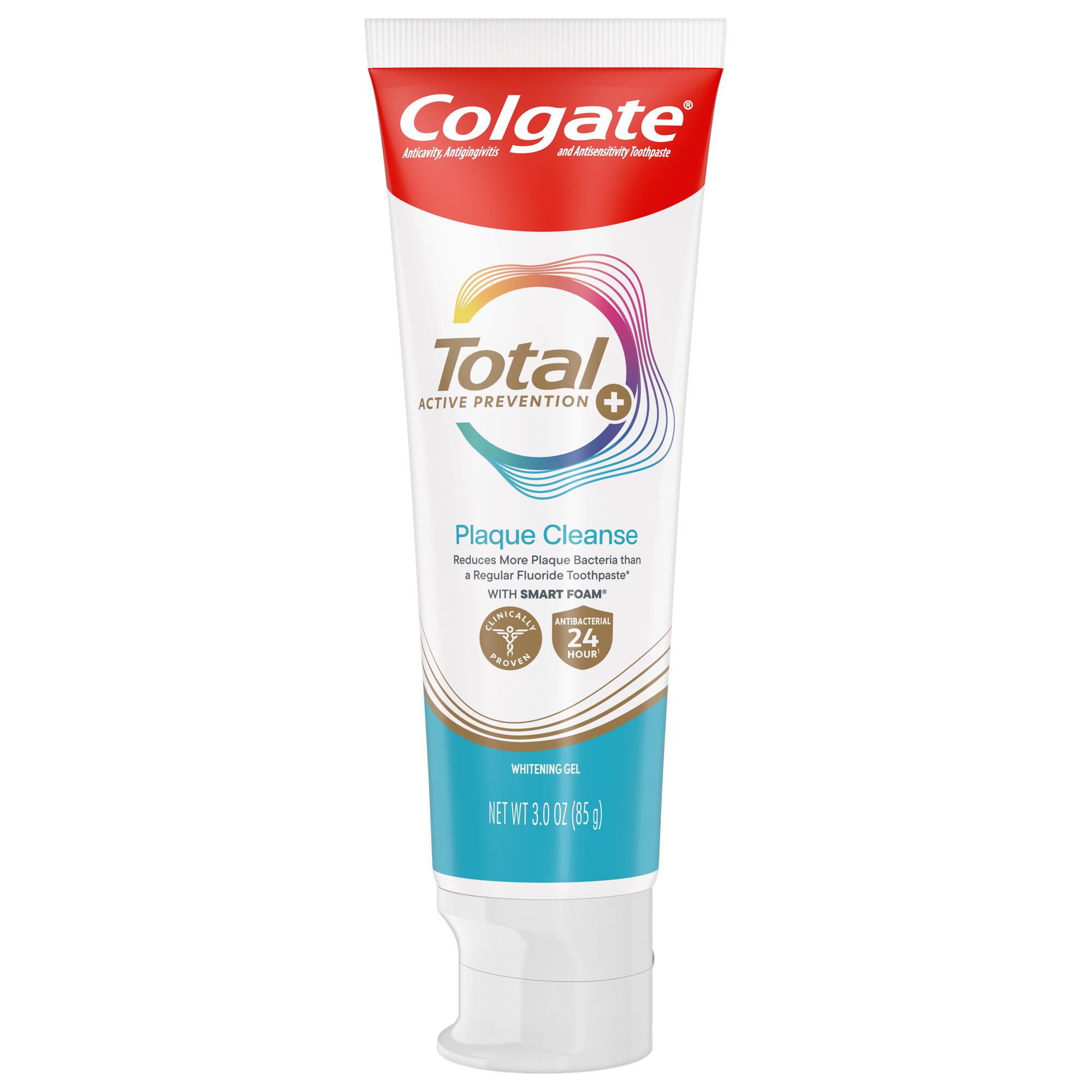
Help promote healthy gums using Colgate Total Active Prevention Plaque Cleanse Whitening Toothpaste Gel. This patented tartar prevention toothpaste fights the root cause* of gingivitis, plaque, tartar, cavities, sensitivity, bad breath, weak enamel, and stains and is 2x more effective*** at fighting bacteria, the root cause of oral health problems like cavities and gingivitis.
*via protection against bacteria and dietary exposures, with daily brushing
***via reduction of bacteria vs. non-antibacterial fluoride toothpaste with 2x daily brushing and 4 weeks use
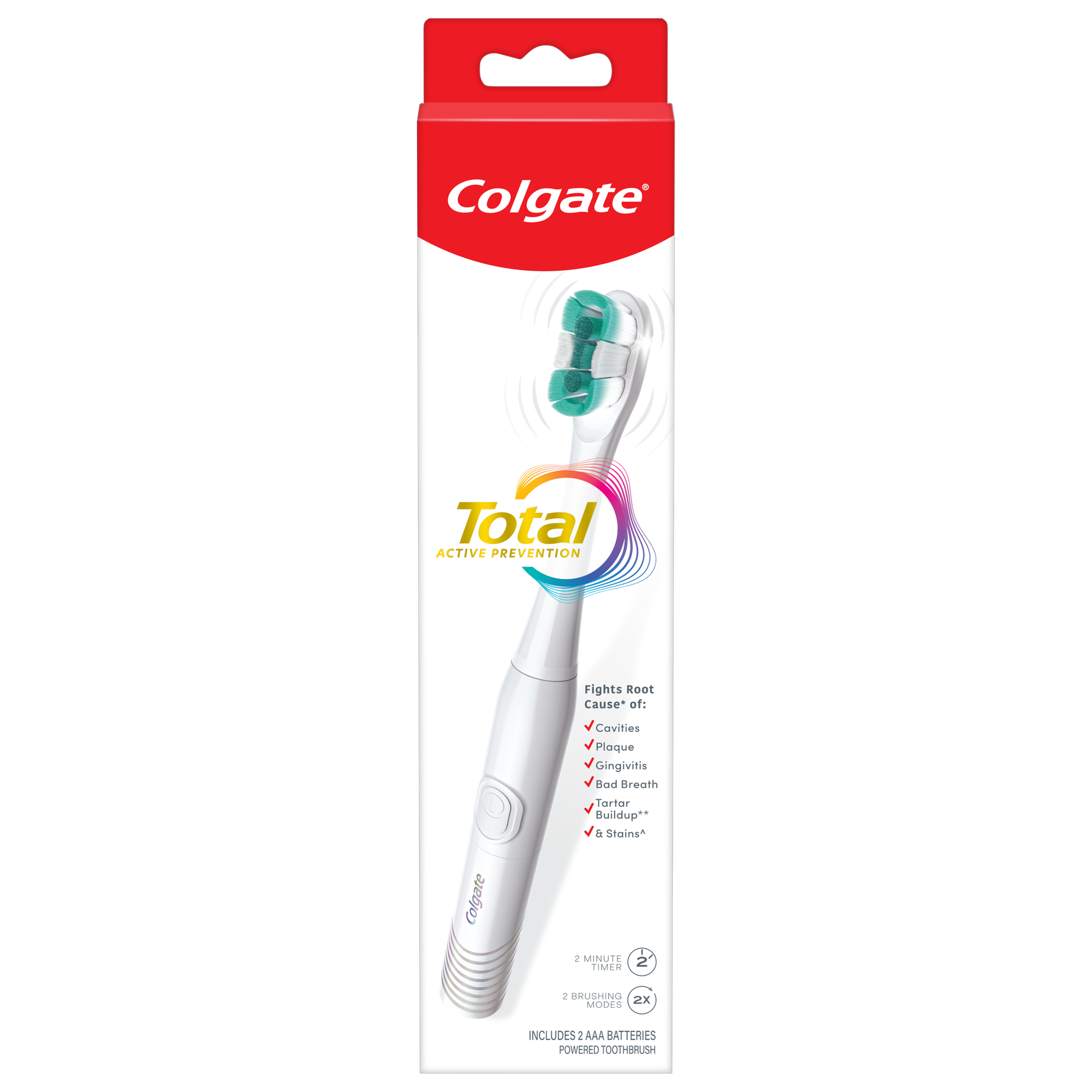
Colgate Total Active Prevention Battery Powered Electric Toothbrush, WhitePower away plaque with Colgate Total Battery Powered Toothbrush.
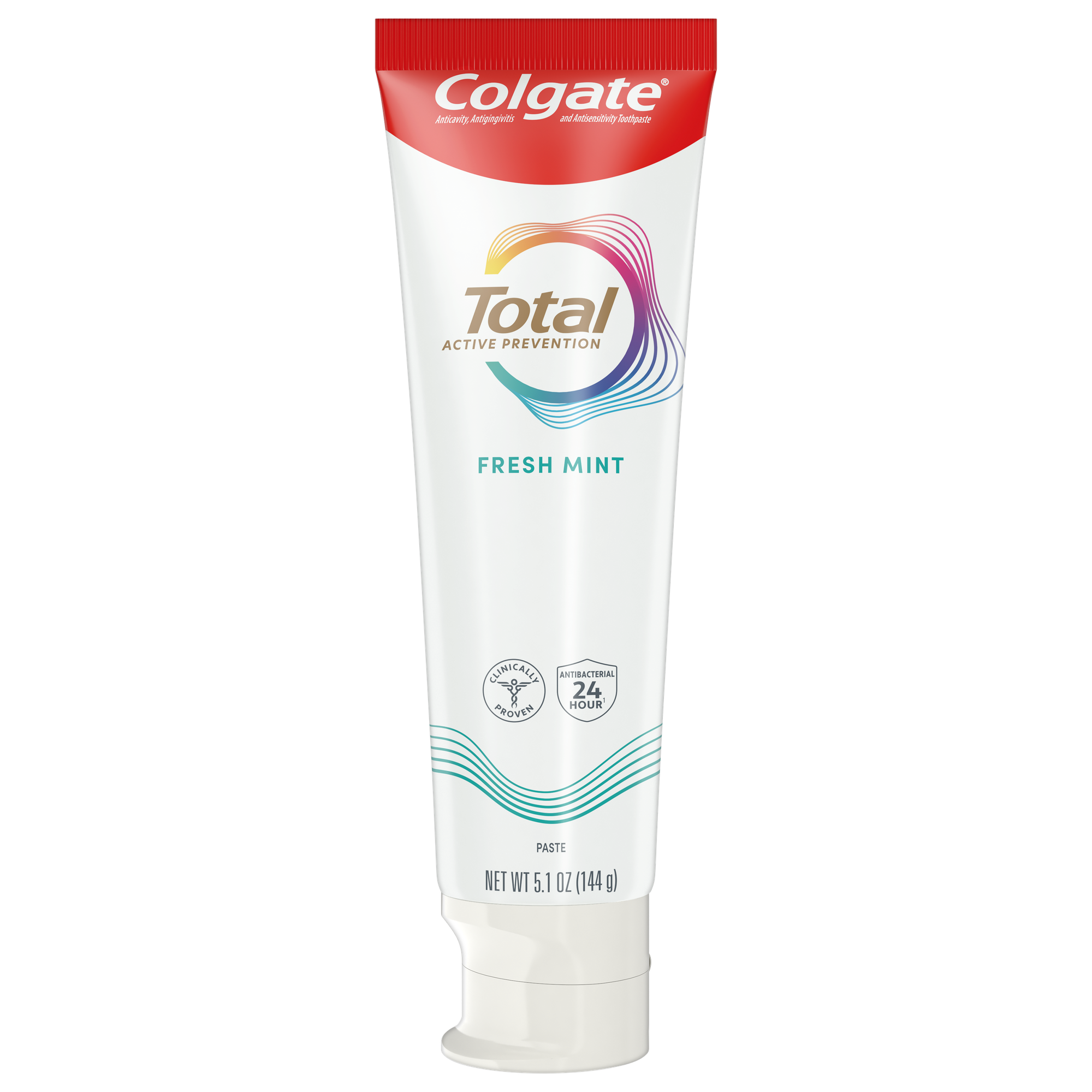
Colgate Total Fresh Mint Toothpaste fights bacteria, the root cause of many oral health issues such as gingivitis, tartar, sensitivity, weak enamel, bad breath, and cavities.


About Cookies on This Site

